
From Daily Challenges to Daily Progress: Lifestyle Strategies for Seniors with Chronic Conditions
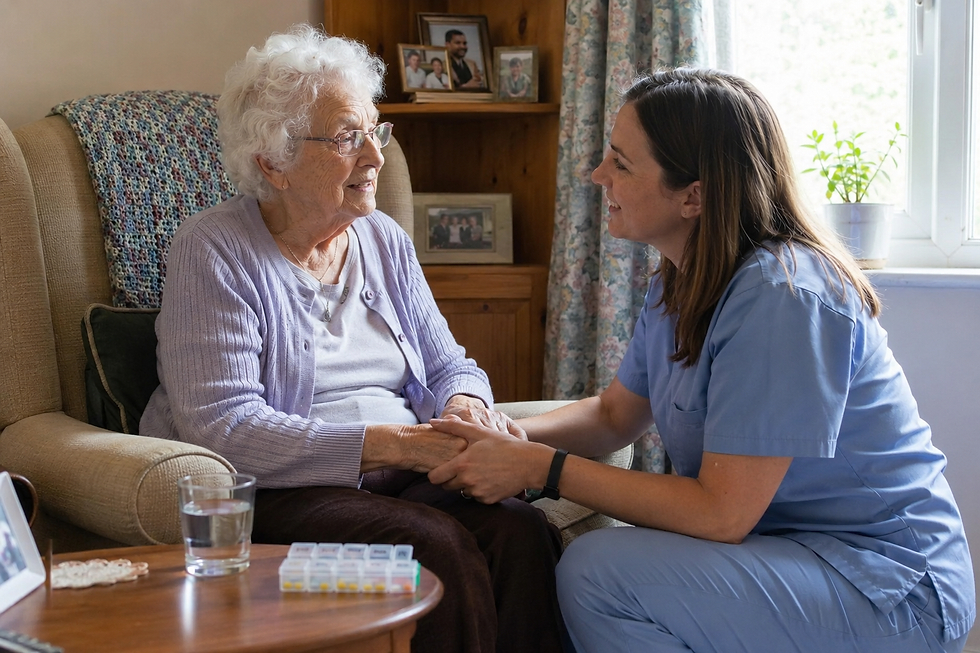
Some mornings start with a struggle before the coffee even finishes brewing, a stiff knee that won't bend, a blood sugar reading that's off, a pill organizer that somehow got out of order again. For seniors living with chronic conditions, these small battles add up fast, and they can make even the simplest day feel like a mountain to climb. But here's the truth families in Georgia have come to know well: progress doesn't require a perfect day. It just requires the right lifestyle strategies for seniors with chronic conditions, applied consistently, with a little patience and a lot of heart.
At Georgia Real Care, we've spent years walking alongside families navigating arthritis, diabetes, heart disease, COPD, and other long-term health challenges. What we've learned is simple. Chronic conditions don't have to define a senior's quality of life. With thoughtful, manageable lifestyle strategies for seniors with chronic conditions, daily struggles can slowly transform into daily wins.
Why Lifestyle Strategies for Seniors with Chronic Conditions Matter More Than Ever
Chronic illness in older adults rarely shows up alone. It often comes paired with fatigue, mobility limitations, medication schedules, and emotional weight that's easy to underestimate. Managing it well isn't about a single fix. It's about building a rhythm, a sustainable approach to daily living that supports the body, the mind, and the spirit all at once.
This is where lifestyle strategies for seniors with chronic conditions come in. Unlike a strict medical protocol, lifestyle strategies focus on everyday choices, how a senior eats, moves, rests, and connects with others. These choices, made consistently, can reduce flare ups, slow disease progression, and most importantly, restore a sense of control.
Building Daily Routines That Actually Stick
One of the most overlooked lifestyle strategies for seniors with chronic conditions is something deceptively simple: routine. Predictability lowers stress, and stress is often a hidden trigger behind worsening symptoms.
A workable routine doesn't need to be rigid. It needs to be realistic. That might mean taking medications at the same time every day paired with breakfast, scheduling light stretching right after waking up, or setting a consistent bedtime to support better rest. Caregivers play a huge role here, gently reinforcing structure without making a senior feel micromanaged or boxed in.
What we often remind families is that routines should feel like support, not punishment. A senior who feels in charge of their own schedule, even with help, tends to stick with healthy habits far longer than one who feels controlled by them.
Nutrition That Works With the Body, Not Against It
Food is medicine, and for seniors managing chronic illness, this couldn't be truer. Effective lifestyle strategies for seniors with chronic conditions almost always start in the kitchen.
Diabetes calls for steady blood sugar through balanced meals. Heart conditions benefit from reduced sodium and healthy fats. Arthritis can ease with anti-inflammatory foods like leafy greens, berries, and fatty fish. The key isn't perfection or complicated meal plans. It's small, sustainable swaps, water instead of soda, baked instead of fried, smaller portions spaced throughout the day instead of three heavy meals.
Hydration deserves a special mention too. Many seniors unintentionally under-drink water, which can worsen fatigue, confusion, and even medication side effects. A simple reminder system, or a caregiver who keeps a water bottle within reach, can make a measurable difference.
Movement, Even in Small Doses
It's tempting to think that chronic illness means rest is the only safe option. In most cases, the opposite is true. Movement, even gentle movement, is one of the most powerful lifestyle strategies for seniors with chronic conditions available, and it doesn't require a gym membership or grueling workouts.
Chair exercises, short walks around the living room, light stretching, or even standing up every hour can improve circulation, reduce stiffness, and boost mood. For seniors with mobility limitations, physical therapy guided movement or assistance from a trained caregiver ensures safety while still encouraging activity.
The goal isn't intensity. It's consistency. Five minutes of movement daily often outperforms a single hour once a week, both physically and mentally.
The Emotional Side of Chronic Illness
It's easy to focus only on the physical when discussing lifestyle strategies for seniors with chronic conditions, but emotional health deserves just as much attention. Living with a long-term condition can bring frustration, grief over lost independence, and isolation, especially for seniors who live alone or have limited family nearby.
Connection matters here. Regular conversation, companionship visits, family check-ins, or even a caregiver who takes time to truly listen can ease emotional strain in ways medication alone cannot. Encouraging seniors to stay engaged with hobbies, faith communities, or social groups also helps preserve a sense of identity beyond their diagnosis.
This is something we hold close at Georgia Real Care. Our caregivers aren't just there to manage tasks. They build real relationships, because we believe emotional well-being is just as essential to managing chronic illness as any medication or meal plan.
The Role of Professional Support in Everyday Progress
Even the best lifestyle strategies for seniors with chronic conditions are easier to maintain with the right support system. Family caregivers often carry an enormous load, juggling work, their own households, and the daily needs of a loved one. Over time, this can lead to exhaustion, which puts both the caregiver and the senior at risk.
Professional in-home care offers relief without removing a senior from the comfort of their own home. A trained caregiver can help manage medication schedules, prepare nutritious meals, encourage safe movement, and provide companionship that lifts spirits. This kind of support doesn't replace family involvement. It strengthens it, giving everyone room to breathe.
Across our service areas throughout Georgia, we've seen firsthand how the right support transforms daily life. Seniors regain confidence. Families regain peace of mind. And chronic conditions, while still present, no longer feel like they're running the show.
Small Steps, Lasting Change
Living well with a chronic condition isn't about dramatic transformation overnight. It's about choosing, day after day, to show up for small habits that quietly add up to something bigger. The most effective lifestyle strategies for seniors with chronic conditions share one thing in common: they're sustainable, realistic, and rooted in genuine care rather than rigid rules.
Progress might look like a slightly easier morning, a meal that didn't spike blood sugar, a short walk that didn't end in exhaustion, or simply a senior who felt heard that day. These moments matter. Strung together, they become a life that feels manageable again, even joyful.
If your loved one is navigating a chronic condition and you're searching for compassionate, personalized support, Georgia Real Care is here to walk this journey with you. Our caregivers bring more than assistance. They bring genuine connection, consistency, and the kind of real care that turns daily challenges into daily progress. Reach out to Georgia Real Care today, and let's build a care plan that helps your loved one thrive, one good day at a time.


Comments