
How to Care for Elderly at Home After a Fall: A Compassionate Guide for Families
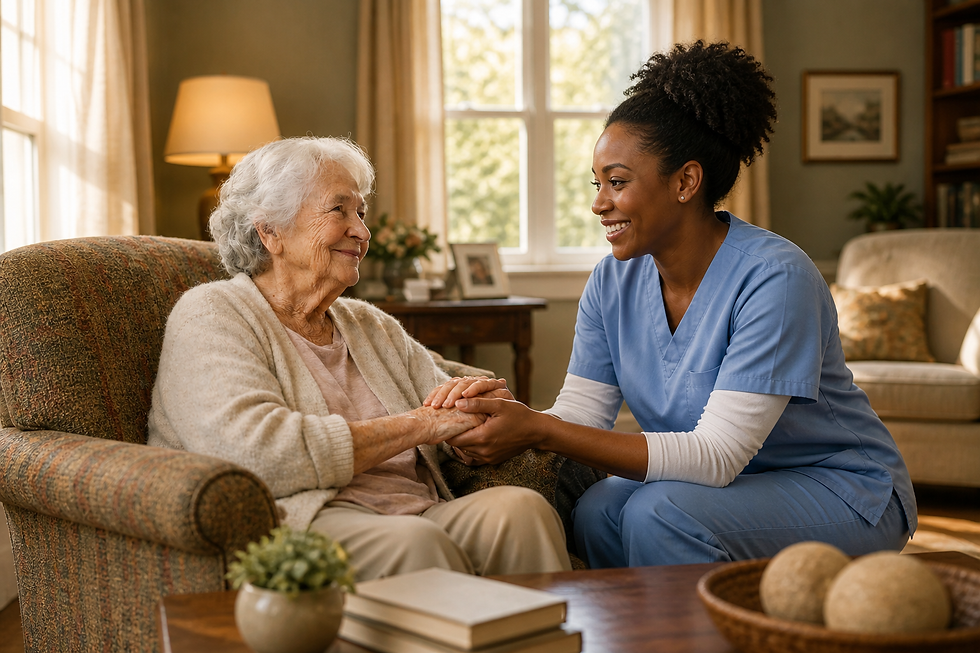
A fall can change everything in seconds. One moment your loved one is walking to the kitchen, and the next, the world shifts and so does your family's daily reality. If you are searching for how to care for elderly at home after a fall, you are likely carrying a mix of worry, love, and uncertainty. That is a heavy load to carry, and you do not have to figure it out alone.
At Georgia Real Care, we walk alongside families in exactly these moments. Here is what you need to know to help your loved one heal safely, confidently, and with their dignity fully intact.
Why Caring for Elderly at Home After a Fall Requires More Than Just Physical Recovery
Falls are the leading cause of injury among older adults, but the damage is not always visible. Alongside any physical injuries, many seniors develop what is commonly called "post-fall syndrome," a deep fear of falling again that causes them to move less, sit more, and gradually lose the strength and confidence they need to stay independent. Understanding this emotional layer is just as important as treating the bruises.
When you care for elderly at home after a fall, you are not just managing a recovery. You are rebuilding trust, restoring confidence, and creating an environment where your loved one feels genuinely safe.
The First 24 to 48 Hours: What You Should Do Right Away
Start With a Medical Assessment, Even If They Seem Fine
Never skip this step. Some injuries from a fall, especially internal ones or those involving the head or hips, do not show symptoms immediately. Always ensure your loved one is seen by a physician or urgent care provider before assuming everything is okay.
Once you have medical clearance, begin thinking about the home environment. Caring for elderly at home after a fall means the house itself needs attention, not just the person.
Make the Home Safer Before They Return to It
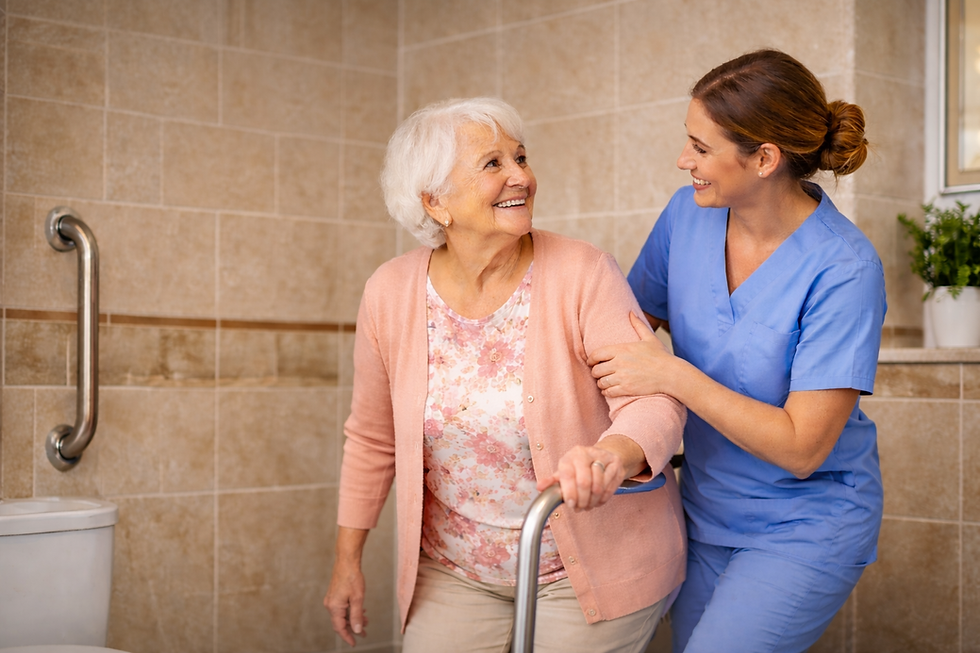
Do a walk-through of every room they use and ask yourself one question: what could cause another fall here? Common changes to make include removing loose rugs, adding grab bars near the toilet and shower, improving lighting in hallways, and moving frequently used items within easy reach. These small adjustments carry enormous weight in preventing a second fall.
How to Support Recovery Without Creating Dependence
Encourage Movement, but Do Not Rush It
One of the most common mistakes families make when caring for elderly at home after a fall is doing everything for their loved one out of fear. While it comes from a good place, it can actually slow recovery. The goal is to assist, not take over.
Work alongside your loved one as they move through the house. Walk near them, not ahead. Offer your arm when they need it. Celebrate small wins like making it to the bathroom independently or sitting up without help.
Build a Simple Daily Routine Around Their Abilities
Routine is grounding for someone who has experienced a trauma. Structure the day around mealtimes, light movement, rest, and social interaction. Predictability reduces anxiety and gives your loved one something to look forward to. When caring for elderly at home after a fall, consistency in daily rhythms can be just as healing as any medication.
Nutrition and Medication: Two Things You Cannot Overlook
Proper Nutrition Speeds Up Healing
After a fall, the body needs protein, calcium, and vitamin D to repair muscle and bone. If your loved one has a reduced appetite, which is common after trauma, try smaller and more frequent meals instead of three large ones. Staying hydrated is equally important and often overlooked in older adults.
Medication Management Matters More Than You Think
Some medications affect balance and increase the risk of another fall. Ask your loved one's doctor to review all current prescriptions. This is a critical part of safely caring for elderly at home after a fall that many families do not think to request but makes a genuine difference in long-term outcomes.
The Emotional Side of Caring for Elderly at Home After a Fall
Their Fear Is Real, and It Deserves Your Full Attention
Do not dismiss fear of falling as irrational. It is one of the most common and legitimate concerns older adults face after an accident. Validate what they feel. Say things like "I understand why you feel nervous, and I am here with you" rather than "You will be fine, do not worry about it."
If the anxiety becomes overwhelming or your loved one begins refusing to move at all, it may be time to involve a professional caregiver or therapist who specializes in geriatric care.
Watch for Signs of Depression
Isolation, loss of appetite, withdrawal from activities they once loved, and persistent low mood are all warning signs that the fall may have impacted your loved one's mental health. Caring for elderly at home after a fall includes staying attuned to these emotional shifts and acting on them early.
When You Need More Support Than You Can Give Alone
Caring for a loved one after a fall is one of the most loving things a family can do. It is also genuinely hard, and doing it well often means knowing when to ask for help.
At Georgia Real Care, our team of trained caregivers provides hands-on support for families across 30 counties in Georgia. Whether your loved one needs help with daily activities, mobility assistance, medication reminders, or just someone consistent and compassionate to be there during the day, we build care plans around what your specific situation actually needs.
You do not have to choose between being a loving family member and being an effective caregiver. Let us carry some of the weight alongside you.
Reach out to Georgia Real Care today at (229) 894-3505 or visit georgiarealcare.com to schedule a free consultation. Because caring for elderly at home after a fall goes better when the right people are in your corner.

Comments