
Poor Sleep in Seniors: The Hidden Link Between Memory Loss, Mood Changes, and Overall Health
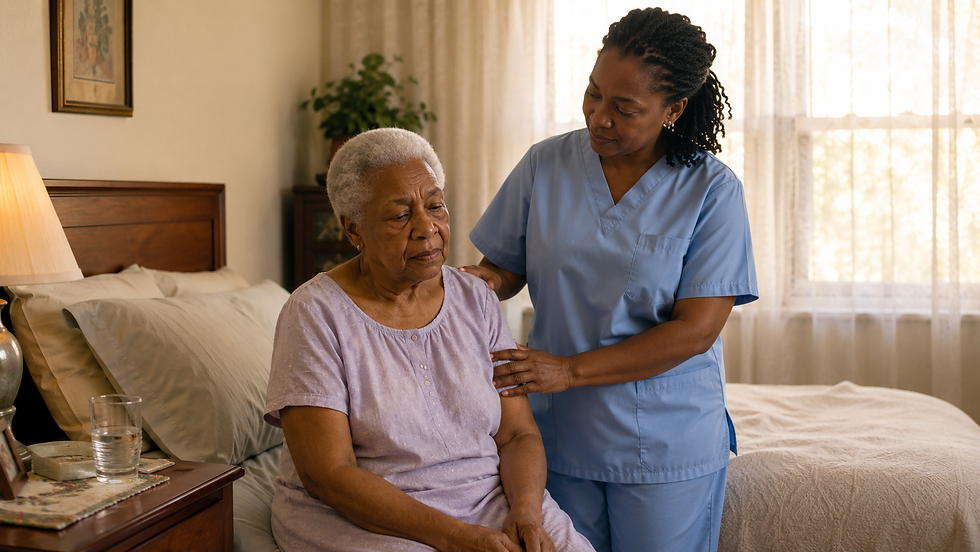
Most families notice it, but few connect the dots right away. Their loved one seems more forgetful than usual, a little more irritable, maybe withdrawn. The first instinct is to worry about dementia or depression. But what if the root cause was something as overlooked as a restless night? Poor sleep in seniors is one of the most underestimated health concerns in aging adults, and its effects go far deeper than just feeling tired in the morning.
Why Sleep Changes as We Age
It is easy to assume that needing less sleep is just part of getting older. And while sleep patterns do shift with age, that does not mean poor sleep in seniors is something to simply accept. Older adults tend to spend less time in deep, restorative sleep. They wake up more frequently during the night. They may fall asleep earlier in the evening and rise too early in the morning. These changes are real, but when they consistently disrupt rest, they set off a chain reaction that touches nearly every area of health.
Conditions like sleep apnea, restless leg syndrome, chronic pain, and medication side effects are among the most common culprits. Anxiety, loneliness, and lack of daily routine can also make it harder for seniors to wind down at night.
The Memory Connection: Poor Sleep in Seniors and Cognitive Decline
Here is what most people do not realize: sleep is actually when the brain does some of its most important work. During deep sleep, the brain clears out waste products, including proteins linked to Alzheimer's disease. It also consolidates memories, organizing the events of the day into long-term storage.
When poor sleep in seniors becomes a pattern, that clearing and consolidating process gets cut short. The result? Seniors may struggle to recall recent conversations, forget appointments, or feel mentally foggy throughout the day. Over time, research has increasingly shown a strong connection between chronic sleep deprivation and a higher risk of cognitive decline.
This does not mean every senior who sleeps poorly will develop dementia. But it does mean that addressing poor sleep is one of the most proactive things families can do to protect their loved one's brain health.
Mood, Anxiety, and the Emotional Toll
Sleep does more than rest the body. It regulates the mind. Poor sleep in seniors can lead to increased irritability, feelings of sadness, and heightened anxiety. A senior who sleeps poorly may seem more easily upset, less engaged in conversation, or uninterested in activities they once enjoyed.
What makes this especially tricky is that depression and poor sleep feed into each other. A senior who is anxious may struggle to sleep, and a senior who is not sleeping well becomes more prone to anxiety. Families often describe watching their loved one change in ways that feel hard to name, and poor sleep is frequently part of that story.
Physical Health: The Ripple Effect No One Talks About
The impact of poor sleep in seniors extends well beyond the brain. Chronic sleep deprivation has been linked to a weakened immune system, making seniors more susceptible to illness. It also raises the risk of high blood pressure, heart disease, and blood sugar imbalances. For seniors managing existing conditions, poor sleep can make those conditions noticeably harder to control.
Balance and coordination also suffer when a senior is not well rested. This increases the risk of falls, one of the leading causes of serious injury in older adults. Even wound healing slows when the body is deprived of adequate rest.
Simple Habits That Can Help
The good news is that poor sleep in seniors is often addressable, especially with the right daily support. A few habits that can make a meaningful difference include:
Maintaining a consistent bedtime and wake time, even on weekends, helps the body settle into a reliable rhythm. Reducing screen time and bright lights in the evening signals to the brain that it is time to wind down. Getting light physical activity during the day, like a short walk or gentle stretching, promotes deeper rest at night. Limiting caffeine after noon and avoiding heavy meals close to bedtime can also reduce nighttime wakefulness. Keeping the bedroom cool, quiet, and comfortable matters more than most people realize.
If snoring, gasping during sleep, or very frequent waking is happening, it is worth discussing with a doctor, as sleep apnea is common and treatable in older adults.
How In-Home Care Makes a Difference
Managing poor sleep in seniors is not just about what happens at night. It is about the whole shape of a senior's day. At Georgia Real Care, our caregivers help build consistent daily routines that support better sleep, from encouraging activity and social engagement during the day to helping with evening routines that calm and comfort rather than overstimulate.
When seniors have meaningful companionship, structured days, and someone who truly notices the subtle changes in their mood and energy, it becomes easier to catch sleep issues early before they affect memory, health, and quality of life in deeper ways.
If you have noticed changes in your loved one's sleep, mood, or memory, we would love to talk. Reach out to Georgia Real Care at georgiarealcare.com or call us at (229) 894-3505. We serve families across 30 counties in Georgia, and we are here to help you figure out the next right step together.


Comments