
Rehabilitation Care at Home: How the Right Support Makes All the Difference in Recovery

Coming home after a surgery, illness, or injury should feel like relief. But for a lot of families across Georgia, that moment is actually when the worry really begins. Who's going to help? What if something goes wrong? What if they lose the progress they made at the hospital?
Here's the truth: recovery doesn't stop when you leave the facility. In many ways, it's just getting started. And rehabilitation care at home, when done right, can be the single most important factor in whether someone truly gets back on their feet or gets stuck in a cycle of setbacks.
What Rehabilitation Care at Home Actually Looks Like Day to Day
People often picture recovery as bed rest and waiting. But real rehabilitation care at home is active, intentional, and deeply personal. It's a caregiver showing up every morning knowing your loved one's goals, their limitations, and the small wins that keep them motivated.
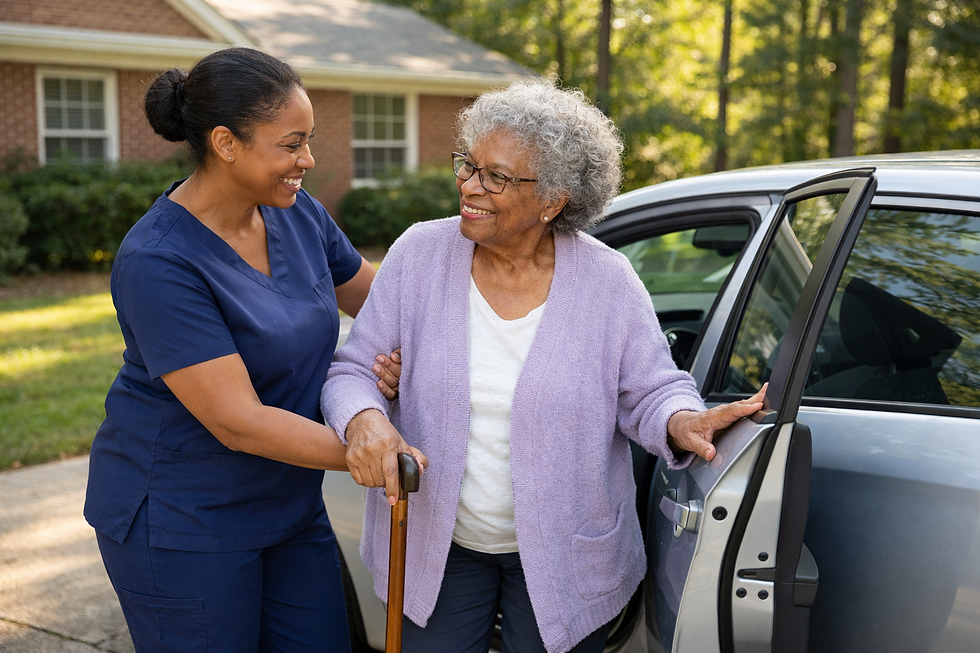
At Georgia Real Care, rehabilitation care at home means skilled, compassionate support that fits into the client's actual life, not a cookie-cutter checklist. Whether it's helping someone regain their balance after a stroke, guiding them through movements their therapist recommended, or simply being present as they take those first careful steps on their own again, the work is purposeful from the very first visit.
It's also about continuity. The gap between a hospital discharge and the next doctor's appointment can feel enormous. Rehabilitation care at home fills that gap in a way that feels less like a clinical service and more like having someone genuinely in your corner.
Why Recovering at Home Leads to Better Outcomes
There's a reason more families are choosing rehabilitation care at home over extended stays in skilled nursing facilities. The research is clear, and so is the lived experience of thousands of clients: people heal better in familiar environments.
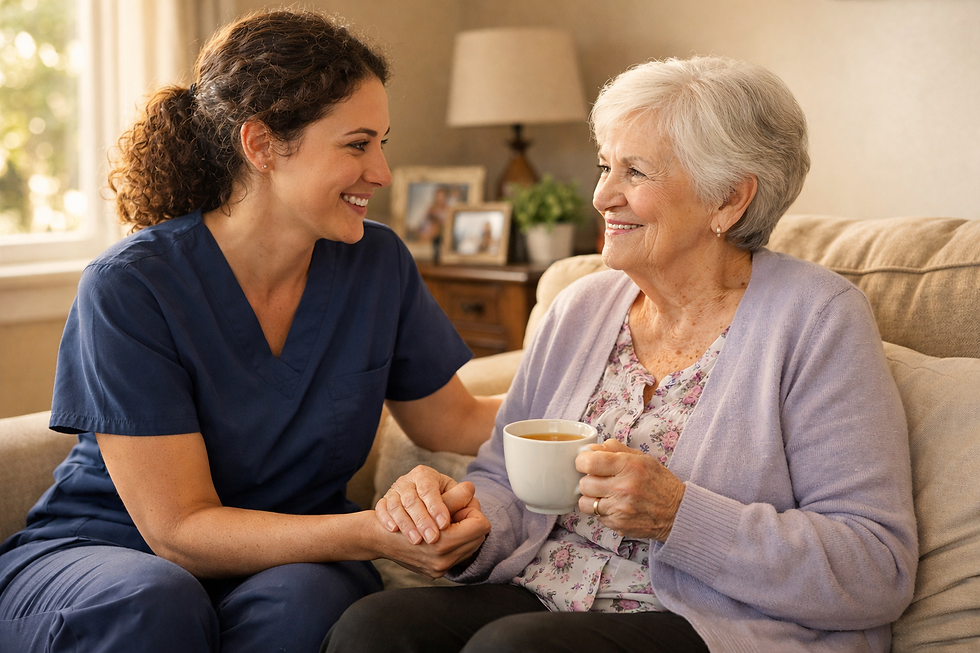
At home, your loved one sleeps in their own bed. They eat their own food. They're surrounded by family photos and the sounds of their own neighborhood. That kind of comfort isn't just emotional, it's physical. Stress slows healing. Familiarity reduces it.
Rehabilitation care at home also means fewer exposures to hospital-acquired infections, more one-on-one attention, and a care plan that adapts to the person, not the other way around. When a caregiver spends dedicated time with one individual instead of managing a ward, the quality of that support goes up in ways that are hard to measure but impossible to miss.
The Core Elements of Strong Rehabilitation Care at Home
Balance Training and Fall Prevention That Actually Sticks
One of the most critical components of rehabilitation care at home is preventing falls before they happen. At Georgia Real Care, caregivers are trained to assess the home environment with fresh eyes, identifying tripping hazards, improving lighting in key areas, and guiding clients through stability exercises recommended by their therapy team.
Falls are one of the leading causes of setbacks during recovery, and often the reason someone ends up back in the hospital. Rehabilitation care at home addresses this not by being overly cautious, but by building real strength and confidence in the person's own space.
Post-Surgical Recovery Support That Bridges the Gap
The weeks following surgery are critical. Energy is low, pain can be unpredictable, and it's easy to overdo it or, just as dangerously, to do too little. Rehabilitation care at home during this period means having someone who knows exactly when to encourage more movement and when to step back and let the body rest.
Georgia Real Care's caregivers work alongside the recommendations of physicians and therapists, making sure nothing falls through the cracks during that vulnerable window between discharge and full independence.
Adaptive Equipment Guidance Done With Patience
Walkers, shower chairs, grab bars, canes: the right equipment makes all the difference, but only if it's used correctly. A big part of rehabilitation care at home is teaching clients how to actually use their mobility aids with confidence. That takes time, patience, and a caregiver who genuinely wants to see the person succeed.
What Families Often Get Wrong About Recovery Support
A lot of families assume that if their loved one gets through the first few weeks, they're past the hardest part. Sometimes that's true. But often, the weeks that follow are when the real challenges show up: fatigue sets in, motivation dips, the therapist visits get less frequent, and the small daily habits that drive recovery start to slip.
Rehabilitation care at home is most effective when it's consistent. Having someone present each day, watching for changes, keeping routines on track, and cheering on every small milestone is what separates a full recovery from a partial one.
At Georgia Real Care, we've seen what happens when families try to manage everything on their own out of love. They burn out. The person recovering feels guilty for needing help. Everyone is exhausted. The right in-home support isn't a replacement for family, it's what makes it possible for family to show up as family again, not as full-time caregivers.
How Georgia Real Care Approaches Rehabilitation Care at Home
Georgia Real Care serves 30 counties across Georgia, and the commitment is the same in every single one of them: care that is personalized, professional, and genuinely compassionate. Rehabilitation care at home through Georgia Real Care starts with understanding the person, not just the diagnosis.
Every care plan is individualized. Every caregiver is matched thoughtfully. And families are kept in the loop every step of the way, because open communication isn't a policy here. It's just how real care works.
Recovery is a team effort. And at Georgia Real Care, you don't have to figure out how to build that team on your own.
If your loved one is coming home from a hospital, a procedure, or a health setback and you want to know what the right rehabilitation care at home support could look like for your family, reach out to Georgia Real Care today. Call (229) 894-3505 or visit georgiarealcare.com to schedule a free consultation. Because everyone deserves to recover with dignity, at home, and with people who truly care.

Comments