
Senior-Friendly Fourth of July: Here's How to Make the Holiday Safe and Memorable

The smell of barbecue, the sound of laughter on the porch, the first burst of fireworks lighting up a Georgia sky. The Fourth of July is meant to feel like joy, but for older adults, it can also bring real risks if a few key details get overlooked. Planning a senior-friendly Fourth of July doesn't mean skipping the fun. It just means being a little more intentional about how the celebration unfolds.
If you're hosting a parent, grandparent, or aging neighbor this year, here's how to keep the holiday both safe and genuinely memorable.
Why a Senior-Friendly Fourth of July Takes a Bit More Planning
Heat, crowds, loud noises, and long hours outdoors are a lot for anyone to handle, but they hit older adults differently. Seniors are more prone to dehydration and heat exhaustion, often have slower reaction times around uneven terrain or stairs, and may be more sensitive to the sudden booms of fireworks, especially if they live with dementia or hearing aids.
None of this means the holiday should be smaller or quieter. It just means a senior-friendly Fourth of July is built around comfort first, celebration second, though honestly, the two usually go hand in hand once you get the basics right.
Beat the Heat: The Foundation of Any Senior-Friendly Fourth of July
Georgia summers don't play around, and early July afternoons can climb well past 90 degrees. Heat is one of the biggest hazards for older adults, so this is where your planning should start.
A few simple adjustments go a long way. Keep your loved one in shaded or air-conditioned areas during peak heat hours, roughly 11 a.m. to 4 p.m. Offer water regularly rather than waiting until someone says they're thirsty, since thirst signals often weaken with age. Light, breathable clothing and a wide-brimmed hat help too, and a small portable fan can make outdoor seating areas far more bearable.
Watch for warning signs like dizziness, confusion, flushed skin, or unusual fatigue. These can come on quickly, and catching them early makes all the difference.
Fireworks and Noise Sensitivity
Fireworks are practically synonymous with the holiday, but they're also where a lot of families run into trouble. Sudden loud bangs can be disorienting or even frightening for seniors with hearing loss, anxiety, or memory conditions like dementia.
A senior-friendly Fourth of July doesn't have to skip the fireworks entirely. Instead, consider watching from a distance, indoors with windows closed, or from a quiet backyard rather than a crowded public display. Noise-canceling headphones or simple earplugs can also soften the impact without taking away the experience altogether. If your loved one seems overwhelmed, it's okay to step inside for a while and rejoin the celebration once things settle.
Mobility and Safety Around the Cookout
Backyard gatherings come with their own obstacles: uneven grass, uncovered cords, uncertain steps, and crowded walkways. For a senior with limited mobility, these aren't minor inconveniences, they're genuine fall risks.
Walk the space ahead of time the way your loved one will experience it. Clear pathways, secure loose rugs, and make sure there's a sturdy, shaded seat waiting for them as soon as they arrive. If stairs are involved, double-check handrails are stable. Comfortable, supportive seating near the action (not off in a corner) helps seniors feel included rather than parked out of the way.
Food, Medication, and Routine
Holidays tend to throw daily routines out the window, but for many seniors, sticking close to a normal schedule actually makes the day go smoother. Medication times, meal timing, and rest periods shouldn't get lost in the shuffle of grilling and games.
If your loved one manages diabetes, heart conditions, or other ongoing health needs, keep an eye on rich holiday foods and sugary drinks that can throw things off balance. A planned rest period midafternoon, even just twenty or thirty minutes indoors, can help them stay engaged for the evening festivities instead of running out of steam early.
Making It Memorable, Not Just Manageable
Here's the thing about a senior-friendly Fourth of July: safety and joy aren't opposites. Once the practical pieces are handled, there's so much room for genuine connection. Ask your loved one about Fourth of July memories from decades past. Set them up with a comfortable view of the kids playing, the flag waving, the grill smoking. Let them lead a toast or cut the first slice of watermelon. These small moments are often what people remember long after the fireworks fade.
A little structure behind the scenes is what allows the foreground to feel effortless and full of life.
When Extra Support Makes the Difference
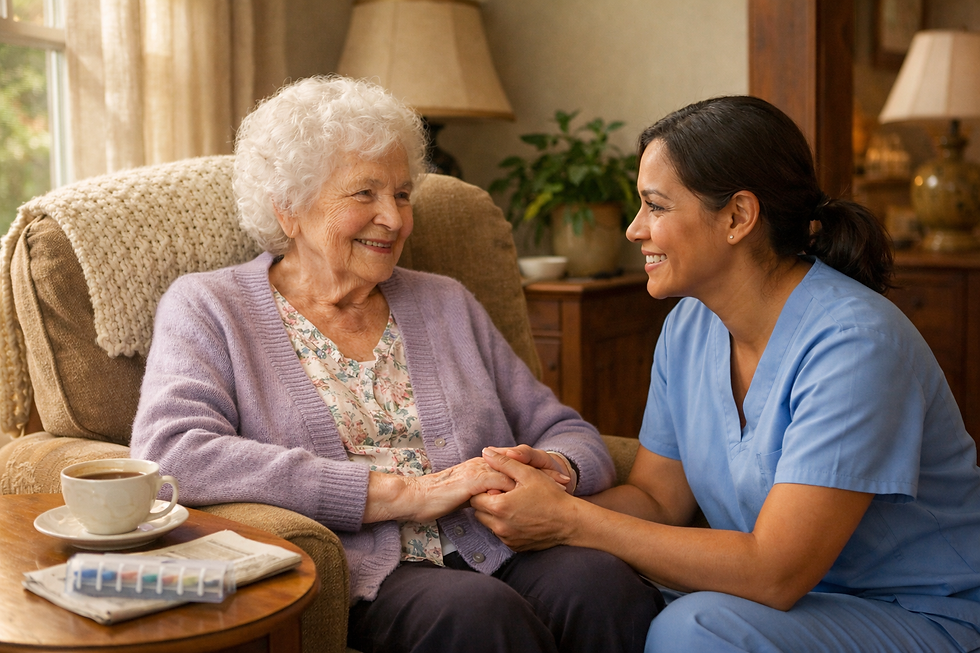
For families juggling caregiving alongside holiday hosting, the Fourth of July can feel like one more thing on an already full plate. That's where a little extra support changes everything. Whether it's an extra set of hands to help a loved one move safely around the yard, someone to keep a watchful eye during fireworks, or simply a companion to make sure they're hydrated, fed, and comfortable throughout the day, having that support in place means you get to actually enjoy the holiday too, not just manage it.
A senior-friendly Fourth of July is really about giving everyone, seniors and caregivers alike, the chance to be present for the celebration instead of constantly on alert.
If you'd like help planning a safe, joyful holiday for your loved one or want to talk through in-home care options before the festivities begin, Georgia Real Care is here for you. Give us a call at (229) 894-3505 or visit georgiarealcare.com to learn more about how our compassionate caregivers support seniors across Georgia, holidays included.


Comments