
Not Just "Getting Older": Why Sleep Problems in Seniors Are So Common and How to Help

Three in the morning, wide awake, staring at the ceiling again. If that sounds familiar for you or someone you love, you're far from alone. So many families brush this off as just another part of aging, something to accept and live with. But here's the truth: sleep problems in seniors are common, yes, but they are not something anyone has to simply endure.
Why We Assume Poor Sleep Is Normal With Age
It's an easy assumption to make. Grandma has always been an early riser. Dad naps more than he used to. Sleep changes gradually, so families rarely notice until the pattern has fully shifted, and by then, everyone has quietly accepted it as the new normal.
The reality is more nuanced. Aging does change sleep architecture. Older adults spend less time in deep, restorative sleep and wake more easily during the night. That part is expected. What is not expected, and what deserves attention, is when sleep problems in seniors start interfering with daily function, mood, memory, or safety.
The Real Reasons Behind Sleep Problems in Seniors
Understanding the "why" makes all the difference in finding the right support. A few of the most common culprits include:
Chronic pain and discomfort. Arthritis, joint stiffness, and other ongoing conditions make it hard to find a comfortable position and stay in it.
Medication side effects. Certain blood pressure medications, diuretics, and antidepressants can disrupt normal sleep cycles or cause frequent nighttime bathroom trips.
Underlying health conditions. Sleep apnea, restless leg syndrome, heart disease, and even undiagnosed depression often show up first as disrupted sleep.
Reduced daytime activity. Less movement and sunlight exposure during the day can throw off the body's natural sleep-wake rhythm.
Cognitive changes. For seniors living with dementia or early memory changes, day-night confusion, often called sundowning, is a well-documented driver of nighttime restlessness.
Recognizing these root causes helps families move past frustration and toward real solutions, rather than assuming nothing can be done.
How Poor Sleep Quietly Affects Overall Health
This is where sleep problems in seniors become more than an inconvenience. Chronic sleep disruption has been linked to a higher risk of falls, slower cognitive processing, weakened immune response, and increased irritability or low mood. It can strain relationships too, especially when a spouse or family caregiver is also losing sleep trying to keep watch through the night.
The ripple effect is real. A tired senior struggles more with balance and decision-making during the day. A tired caregiver has less patience and energy to give. Addressing sleep isn't a small comfort, it's a genuine safety and wellness priority.
Practical Ways to Support Better Sleep at Home
The good news is that small, consistent changes tend to make a meaningful difference. Here are approaches that genuinely help:
Keep a steady routine. Waking and sleeping at roughly the same time each day helps reset the body's internal clock.
Get natural light exposure. A short walk outside or time near a sunny window in the morning supports healthier circadian rhythms.
Limit long naps. A brief 20-minute rest is fine, but longer daytime sleep can eat into nighttime rest.
Watch what's in the evening routine. Caffeine, heavy meals, and screen time close to bedtime can all interfere with falling asleep.
Create a calming wind-down. Dim lighting, soft music, or a warm cup of caffeine-free tea can signal to the body that it's time to rest.
Address discomfort directly. Supportive pillows, proper mattress support, or a warm compress for aching joints can ease physical barriers to sleep.
None of these need to happen all at once. Even one or two adjustments, introduced gently, can start improving sleep problems in seniors within a matter of weeks.
When It's Time to Loop In a Professional
If poor sleep persists despite these changes, or if it comes with loud snoring, gasping, confusion, or wandering at night, it's worth having a conversation with a physician. Some causes, like sleep apnea, require medical evaluation and treatment. Others, like medication timing, can often be adjusted with a simple conversation with a prescribing doctor.
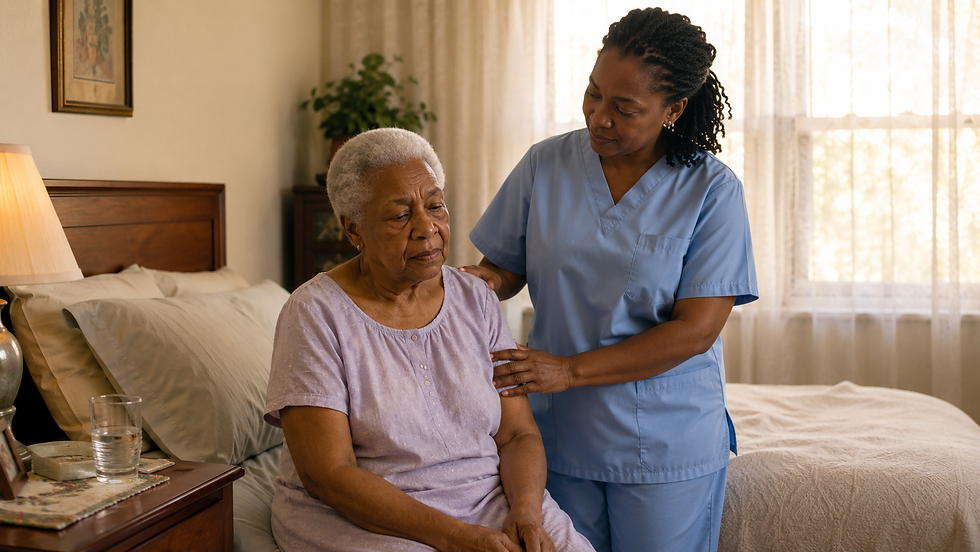
This is also where having a caring set of eyes at home matters. Sleep problems in seniors are often easier to catch, and easier to manage, when someone is present to notice the small patterns families might otherwise miss during a quick weekly visit.
How Georgia Real Care Supports Restful Nights
At Georgia Real Care, we understand that a good night's sleep touches every part of a senior's wellbeing, and every part of a family's peace of mind. Our compassionate caregivers help establish calming evening routines, monitor for nighttime safety, and provide the overnight support that lets both seniors and their families finally rest easy. Whether it's a gentle bedtime routine, medication reminders, or simply a familiar, trusted presence through the night, our team is here to help ease the sleepless nights that so many families quietly struggle with.
You don't have to accept restless nights as just part of growing older, and you don't have to navigate it alone either. If sleep problems in seniors have become a worry in your household, reach out to Georgia Real Care today. Let's talk about a personalized care plan that brings comfort back to your loved one's nights, and peace back to your family's days.


Comments