
The Silent Threat to Senior Well-Being: How Untreated Hearing Loss Can Change Daily Life

Most people think growing older means slowing down a little. What they don't expect is losing their connection to the world around them, one conversation at a time. That's exactly what untreated hearing loss does to our seniors, and it happens so quietly, so gradually, that families often don't notice until real damage has already been done.
At Georgia Real Care, we see it. And we believe it's time more people talked about it.
When the World Goes Quiet: Understanding Untreated Hearing Loss in Seniors
Hearing loss is one of the most common conditions affecting older adults. According to the National Institute on Aging, about one in three people between ages 65 and 74 has some degree of hearing loss, and nearly half of those over 75 experience it significantly. Yet despite how widespread it is, untreated hearing loss remains one of the most overlooked health concerns in senior care.
Why? Because it doesn't look like an emergency. There's no visible wound, no sudden collapse. It just… creeps in. A loved one starts asking people to repeat themselves. The TV volume goes up. They stop engaging in group conversations. Family members chalk it up to aging and move on.
But here's what's happening underneath the surface.
More Than Just Muffled Sound: The Real Consequences of Untreated Hearing Loss
Untreated hearing loss doesn't stay in the ears. Research consistently shows that it ripples into nearly every area of a senior's life, and the effects can be serious.
Cognitive Decline
Studies from Johns Hopkins have found that seniors with untreated hearing loss are significantly more likely to develop dementia over time. The brain, constantly straining to process incomplete sound signals, becomes overworked, leaving less mental bandwidth for memory and thinking. Over the years, that added cognitive load takes a toll.
Social Isolation and Depression
When conversations become exhausting, seniors stop having them. They stop going to family dinners, church, community events. They pull back from the people they love. Untreated hearing loss is one of the leading contributors to loneliness in older adults, and loneliness, as we now know, is genuinely dangerous to health. It increases the risk of heart disease, high blood pressure, and early mortality.
Physical Safety Risks
Hearing is a safety sense. Seniors with untreated hearing loss may miss a car approaching from behind, fail to hear a fire alarm, or not catch a caregiver's instructions about medication. These aren't minor inconveniences. They're risks that can end in real harm.
Strained Family Relationships
There's a kind of quiet grief that families experience when communication breaks down. Spouses begin to feel like roommates. Adult children feel helpless. The dinner table gets louder, more frustrated, and eventually, quieter for the wrong reasons.
The Signs Families Should Never Brush Off
One of the most important things a family member or caregiver can do is recognize the early warning signs of untreated hearing loss before they become bigger problems. Watch for:
Frequently asking others to repeat themselves or speak louder
Misunderstanding conversations, especially in noisy environments
Turning up the TV or radio to volumes others find uncomfortable
Withdrawing from social activities they once enjoyed
Responding with "yes" or nodding along without truly following the conversation
Increasing irritability, frustration, or confusion in social settings
These signs don't always mean something is wrong, but they're worth taking seriously. A visit to an audiologist can provide real answers.
How Compassionate Caregiving Addresses the Gap Left by Untreated Hearing Loss
Even when hearing aids or medical treatment are part of the picture, seniors with untreated hearing loss or managed hearing challenges still need something that technology alone cannot provide: human connection.
This is where intentional, relationship-centered caregiving makes all the difference.
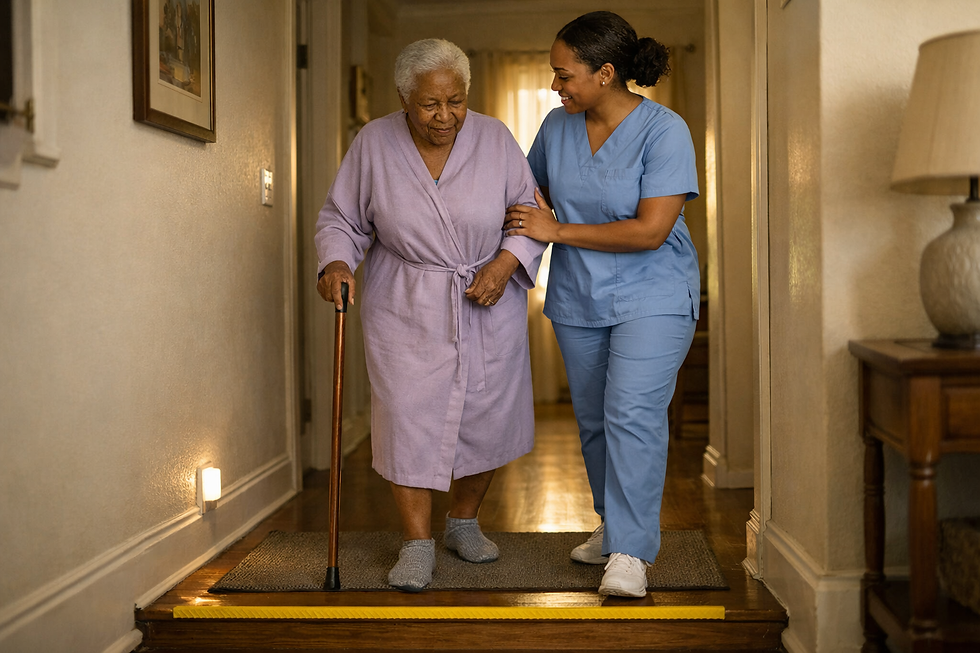
At Georgia Real Care, our caregivers are trained to communicate with patience and clarity. They speak face to face, use visual cues, write things down when needed, and above all, they slow down. They don't rush through a conversation. They make sure the person in their care actually feels heard, not just spoken at.
We also work closely with families to ensure everyone is on the same page about communication strategies. Because untreated hearing loss doesn't just affect the senior, it affects the whole household, and it takes a whole support system to navigate it well.
Our companion care services are especially meaningful for seniors navigating hearing challenges. Regular, consistent social engagement from a trusted caregiver can counteract the isolation that untreated hearing loss so often brings. When a senior has someone who shows up, speaks clearly, and genuinely listens, it changes everything.
Your Loved One Deserves to Stay Connected
The good news is that untreated hearing loss does not have to define someone's story. With the right support, early attention, and compassionate care, seniors can continue to lead full, engaged, and joyful lives.
If you've noticed the signs in someone you love, don't wait. Start the conversation with their doctor. Reach out to an audiologist. And consider what daily care support might look like to fill in the gaps that hearing challenges create.
Georgia Real Care is here for that part. We serve seniors and families across 20 counties in Georgia with personalized home care that puts dignity, connection, and well-being first. Whether your loved one needs a companion who communicates with care, help with daily living, or consistent support that keeps them safe and socially engaged, we are ready to walk alongside you.
Reach out to our team today and let's talk about what your loved one truly needs to thrive.


Comments